Different Types of Windows and Their Benefit
Windows are a vital architectural element that define a home’s energy efficiency, security, and aesthetic. This guide explores modern solutions like uPVC and aluminum, helping you balance form and function to select the ideal window style for your living space.
Introduction
When building or renovating a home, windows are often an afterthought, yet they are one of the most critical elements of architectural design. Beyond simply letting in light, windows dictate your home’s energy efficiency, security, ventilation, and overall aesthetic appeal. In 2026, the focus has shifted toward high-performance materials like uPVC and slim-profile aluminum, which offer a perfect blend of durability and style.
Choosing the right window requires a balance between functionality and form. For instance, a window that works perfectly for a ground-floor kitchen might not be the best choice for a high-rise bedroom. This guide explores the diverse world of modern window solutions, helping you navigate the options available from leading Windows Suppliers in Hyderabad like Windoorkrafts to ensure your home remains comfortable, secure, and beautiful for years to come.
1. Casement Windows: The Versatile Classic
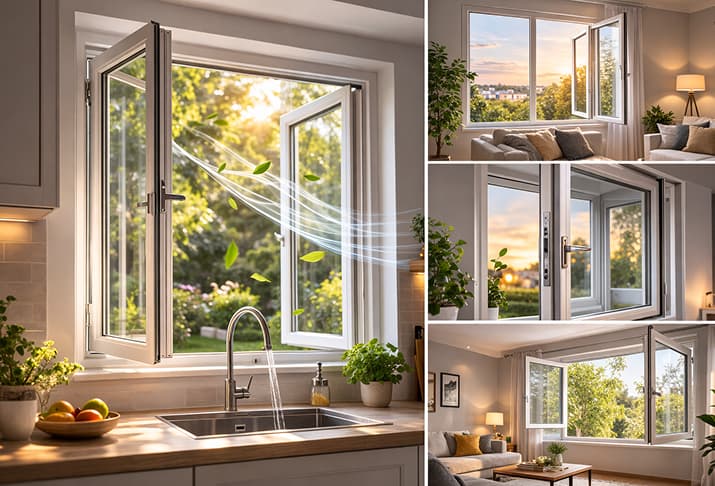
Casement windows are perhaps the most popular choice for modern residential properties. These windows are attached to their frame by one or more hinges at the side and swing outward like a door.
- Maximum Ventilation: Because the entire sash opens, casement windows provide the best airflow of any operable window style.
- Energy Efficiency: When closed, the sash presses firmly against the frame, creating an airtight seal that prevents drafts and reduces energy loss.
- Security: The locking mechanisms are integrated into the frame, making them exceptionally difficult to tamper with from the outside.
- Best For: Kitchens (especially above sinks) and living rooms where unobstructed views and fresh air are priorities.
2. Sliding Windows: Sleek and Space-Saving
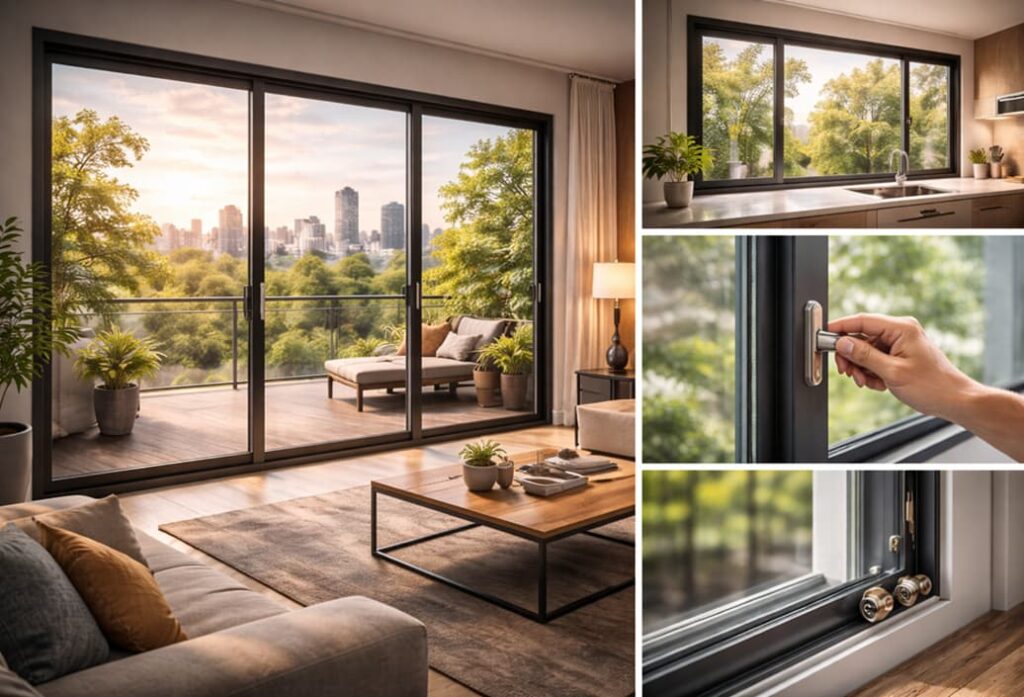
As urban living spaces become more compact, sliding windows have surged in popularity. These windows consist of two or more horizontal sashes that glide past each other on tracks.
- No Protrusion: Since they don’t swing in or out, they are ideal for areas facing walkways, patios, or tight exterior spaces.
- Ease of Use: Modern sliding systems use high-quality rollers, allowing even large glass panes to glide with minimal effort.
- Contemporary Look: Their slim profiles and large glass areas fit perfectly with minimalist and modern architectural styles.
- Best For: Balconies, decks, and rooms where you want to maximize the “window wall” effect without occupying extra space.
3. Tilt and Turn Windows: The European Innovation
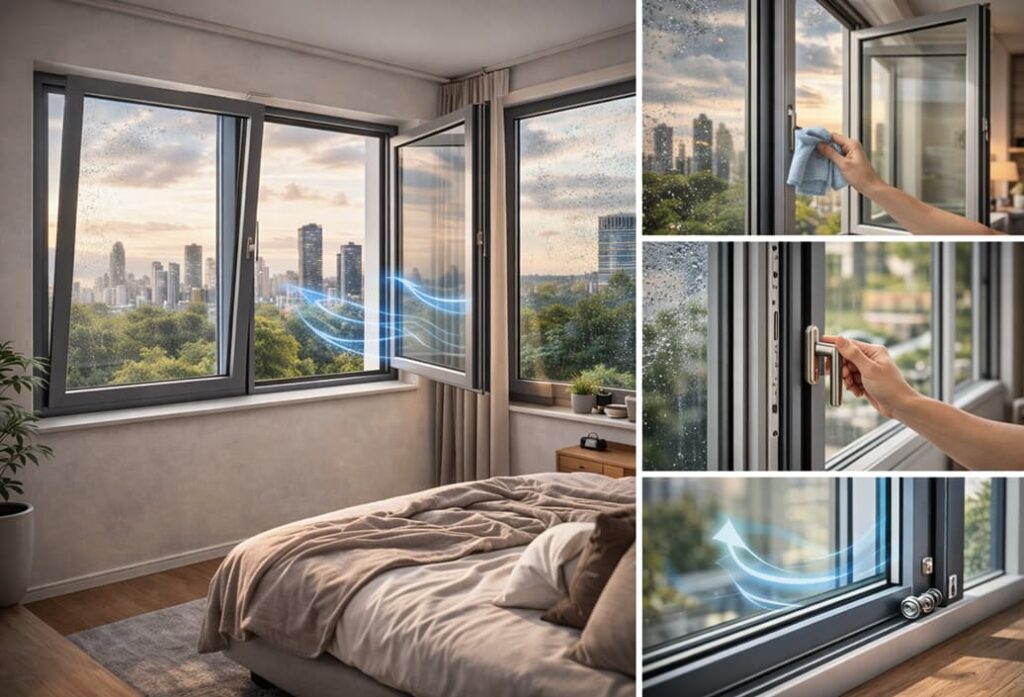
A favorite in European architecture that has gained massive traction globally, the tilt and turn window offers a dual-action opening mechanism.
- Dual Functionality: You can tilt the top of the sash inward for secure, rain-protected ventilation, or swing the entire window inward like a door for maximum airflow.
- Easy Maintenance: Because the window opens fully inward, you can safely clean the exterior glass from inside your home—a major benefit for high-rise apartments.
- Enhanced Insulation: These windows typically feature multi-chambered profiles and multi-point locking systems, offering superior thermal and acoustic insulation.
- Best For: Upper-floor bedrooms and apartments where safety and ease of cleaning are paramount.
4. Double-Hung and Single-Hung Windows: Timeless Charm
Often found in traditional or colonial-style homes, hung windows move vertically. In a single-hung window, only the bottom sash moves, while in a double-hung window, both the top and bottom sashes are operable.
- Controlled Airflow: In double-hung models, opening both sashes allows warm air to escape through the top while cool air enters through the bottom, creating a natural convection current.
- Aesthetic Versatility: They provide a classic look that complements heritage homes but can be modernized with sleek finishes for transitional designs.
- Space Efficient: Like sliding windows, they do not project outward, making them safe for street-facing walls.
- Best For: Traditional homes, bedrooms, and areas where vertical space is more abundant than horizontal space.
5. Bay and Bow Windows: Architectural Statements
If you want to add a sense of luxury and extra square footage to a room, bay and bow windows are the answer. A bay window typically consists of three panels at varying angles, while a bow window uses four or more panels to create a curved appearance.
- Increased Natural Light: By projecting outward, these windows capture light from multiple angles, brightening the room significantly.
- Panoramic Views: They provide a wide-angle view of the outdoors, making them perfect for garden-facing rooms.
- Functional Space: The interior ledge created by the projection can be used as a cozy window seat, a plant shelf, or a decorative nook.
- Best For: Living rooms and master suites where you want to create a focal point and enhance “curb appeal.”
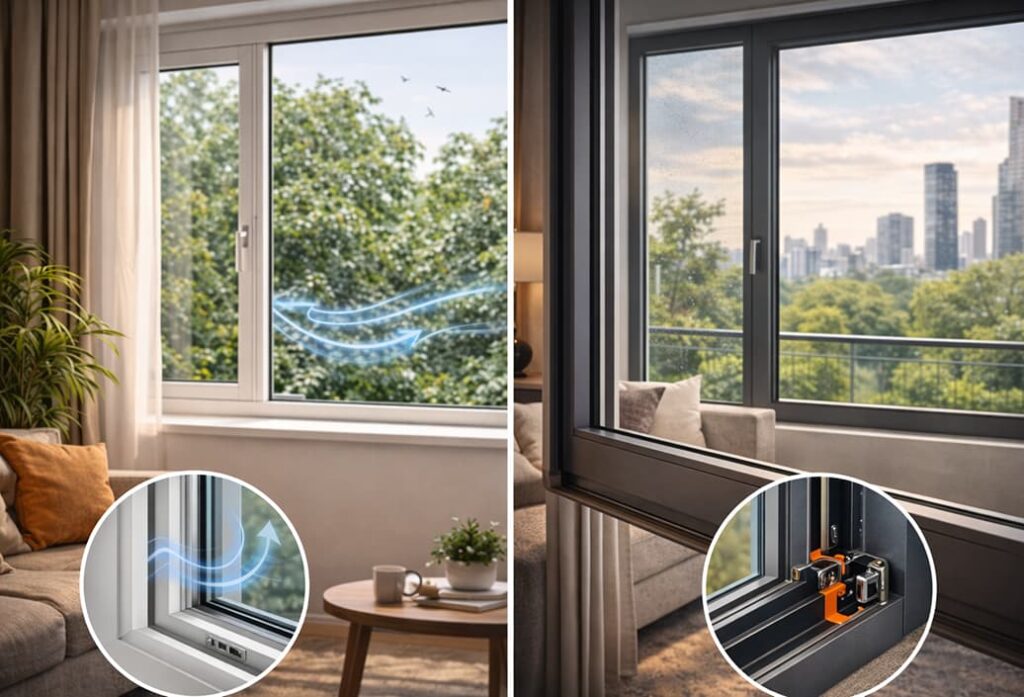
Choosing the Right Material: Why uPVC and Aluminum Lead the Way
In 2026, the material of your window frame is just as important as the style. While wood offers beauty, it requires high maintenance. Windoorkrafts specializes in uPVC and high-grade aluminum solutions that address the modern homeowner’s needs:
- uPVC (Unplasticized Polyvinyl Chloride): Known for its incredible thermal insulation and low maintenance. It does not rot, warp, or corrode, making it perfect for the humid climate of regions like Hyderabad.
- Aluminum: Offers the strength needed for oversized glass panes and ultra-slim frames. Modern “thermal break” technology ensures that today’s aluminum windows are just as energy-efficient as other materials.
Conclusion
Selecting the right windows is a long-term investment in your property’s value and your daily comfort. Whether you prioritize the ventilation of a casement window, the space-saving nature of a slider, or the architectural elegance of a bay window, understanding these differences is key. By partnering with reputable Windows Suppliers in Telangana, you can ensure that you receive expert installation and high-quality materials tailored to your specific environment.
Your Questions, Answered
1. Which window type is most energy-efficient?
Fixed windows are the most energy-efficient as they are completely airtight. Among operable windows, casement and tilt-and-turn windows are the best performers because the sash creates a tight compression seal against the frame when locked.
2. Are uPVC windows better than aluminum windows?
It depends on your needs. uPVC generally offers better thermal and sound insulation at a more affordable price point. Aluminum is preferred for very large windows and ultra-slim, modern aesthetics due to its superior structural strength.
3. Can I replace my old windows without changing the entire frame?
In some cases, “insert” or “pocket” installations are possible if the existing frame is in excellent condition. However, for maximum energy efficiency and to address potential structural issues, a full-frame replacement is usually recommended.
4. How do I maintain my windows for a longer lifespan?
Modern uPVC and aluminum windows require very little maintenance. Simply wipe the frames with a damp cloth and mild soap periodically and ensure the tracks are free of debris. Lubricate the hinges and locking mechanisms once a year to keep them moving smoothly.
5. What is "Low-E" glass, and do I need it?
Low-Emissivity (Low-E) glass has a microscopic coating that reflects heat while letting light through. In 2026, it is considered a standard for energy efficiency, as it keeps your home cooler in summer and warmer in winter, significantly reducing utility bills.