Soundproof Windows for Homes
External noise can disturb sleep, reduce productivity, and affect daily comfort. Soundproof windows help create a peaceful indoor environment by reducing traffic, construction, and neighborhood noise. In this guide, discover how modern soundproof windows work, their benefits, costs, and why they are becoming essential for urban Homes.
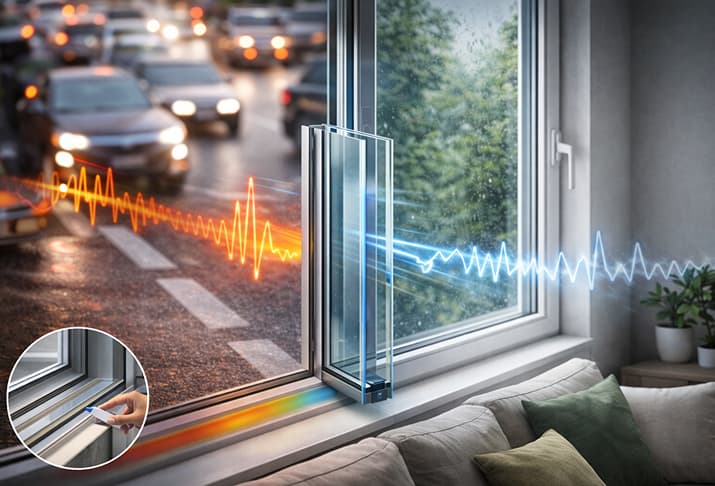
Soundproof windows reduce outside noise using laminated acoustic glass, double or triple glazing, and airtight seals that block sound vibrations from entering a home. They work by combining insulated glass layers with heavy-duty frames, making rooms significantly quieter near traffic, construction, or busy neighborhoods while also improving energy efficiency.
What Are Soundproof Windows?
Soundproof windows are specially engineered windows designed to reduce the amount of sound entering a building. Unlike standard windows, they use advanced materials and insulation technologies to absorb and block sound waves.
These windows generally include:
- Laminated acoustic glass
- Double or triple glazing
- Airtight seals
- Heavy-duty window frames
- Specialized insulation gaps
Together, these components reduce sound transmission and create a more peaceful indoor atmosphere.
Most standard windows have low sound insulation capabilities, while acoustic windows are designed with higher STC (Sound Transmission Class) ratings for better noise reduction.
Why Modern Homes Need Soundproof Windows
Noise pollution has increased rapidly in urban areas. Continuous exposure to loud environments affects physical and mental well-being.
Here are the major reasons homeowners now prefer soundproof windows:
Better Sleep Quality
Outside noise often interrupts sleep cycles. Soundproof windows reduce traffic and neighborhood sounds, helping families sleep peacefully.
Improved Work-From-Home Environment
Remote work has increased the need for quiet home offices. Acoustic windows create distraction-free spaces for meetings and productivity.
Reduced Stress Levels
Continuous exposure to noise can increase stress and anxiety. A quieter indoor environment improves relaxation and comfort.
Enhanced Privacy
Soundproof windows reduce both incoming and outgoing sound. This improves privacy for conversations, entertainment rooms, and offices.
Energy Efficiency
Double and triple-glazed windows also improve thermal insulation. They help maintain indoor temperature and reduce electricity bills.
Higher Property Value
Modern buyers prefer homes with energy-efficient and noise-reducing features. Installing acoustic windows increases overall property appeal.
How Soundproof Windows Work
Sound travels through vibrations. Standard glass allows these vibrations to pass easily into your home. Soundproof windows interrupt these sound waves using multiple insulation layers.
Laminated Glass Technology
Laminated glass contains a special interlayer between two glass sheets. This layer absorbs sound vibrations and prevents them from entering indoors.
Industry experts identify laminated glass as one of the most effective materials for residential sound insulation.
Double and Triple Glazing
Double-glazed windows contain two glass panes separated by an air or gas-filled gap. Triple glazing uses three layers for even better insulation.
These gaps reduce sound energy and improve acoustic performance.
Airtight Sealing
Even small gaps around windows allow sound leakage. High-quality acoustic windows use advanced seals and gaskets to create airtight closures.
Different Glass Thicknesses
Using varied glass thicknesses disrupts sound frequencies more effectively. This improves overall sound reduction performance.
The Benefits of Installing Soundproof Windows
Investing in soundproof technology offers more than just a quiet afternoon; it transforms the functional quality of your home.
- Enhanced Sleep and Health: Chronic exposure to noise pollution is linked to high stress, anxiety, and sleep disorders. By creating a quiet sanctuary, you allow your body to rest and recover properly.
- Increased Property Value: Modern buyers prioritize energy efficiency and tranquility. Homes equipped with professional window installation services for soundproofing often command a higher market value.
- Energy Efficiency: The same technology that blocks sound—thick glass and airtight seals—is also excellent at blocking heat transfer. This keeps your home cooler in the summer and warmer in the winter, leading to lower utility bills.
- Improved Privacy: Soundproofing works both ways. Not only do you keep external noise out, but you also ensure that your private conversations or music remain inside your home.
Types of Soundproof Windows for Homes
Different window styles provide different levels of sound insulation. Choosing the right type depends on your home design and noise exposure level.
Sliding Soundproof Windows
Sliding windows are ideal for apartments and modern homes. They provide smooth operation while maintaining excellent acoustic insulation.
These windows work especially well for balconies and compact spaces.
Casement Soundproof Windows
Casement windows close tightly against the frame, creating better airtight sealing. This design improves noise reduction significantly.
Fixed Acoustic Windows
Fixed windows do not open, making them highly effective for sound insulation. They are suitable for bedrooms, studios, and offices.
Tilt and Turn Windows
Tilt and turn systems provide both ventilation and superior sealing performance. Advanced European-style systems offer excellent acoustic control.
Combination Windows
Combination windows mix multiple window styles for improved aesthetics and functionality while maintaining soundproofing performance.
Soundproof Window Installation: Why It Matters
You could purchase the most expensive acoustic glass on the market, but if it is installed incorrectly, it will fail to perform. This is why choosing expert window installation services is non-negotiable. Professionals ensure that:
Even the best acoustic glass fails if installation quality is poor.
Professional installation ensures:
- Perfect frame alignment
- Airtight sealing
- Proper insulation gaps
- Secure locking systems
- Long-term performance
Experts emphasize that improper installation reduces overall soundproofing efficiency significantly.
This is why homeowners should always choose experienced window installation professionals.
Soundproof Windows vs Standard Double Glazing
Many homeowners believe standard double glazing automatically provides soundproofing. However, there is a major difference.
| Feature | Standard Double Glazing | Soundproof Windows |
|---|---|---|
| Primary Purpose | Thermal insulation | Noise reduction |
| Glass Type | Regular glass | Laminated acoustic glass |
| Sound Reduction | Moderate | High |
| Airtight Sealing | Basic | Advanced |
| STC Rating | Lower | Higher |
| Best For | Energy savings | Noise control |
True soundproof windows use specialized acoustic engineering rather than standard insulation alone.
Maintenance Tips for Soundproof Windows
Modern acoustic windows require very little maintenance. However, regular care improves their lifespan and efficiency.
Clean Frames and Glass Regularly
Use mild cleaners and soft cloths to maintain appearance and performance.
Check Seals Periodically
Inspect rubber gaskets and seals to ensure airtight insulation remains intact.
Lubricate Moving Components
Sliding tracks and hinges should remain smooth for proper sealing.
Avoid Frame Damage
Heavy impact or improper handling can affect insulation quality.
Common Mistakes to Avoid
Many homeowners make mistakes while choosing acoustic windows.
Choosing Cheap Glass
Low-quality glass reduces soundproofing effectiveness.
Ignoring Installation Quality
Poor installation creates gaps that allow sound leakage.
Selecting Wrong Window Style
Some designs offer better insulation than others.
Focusing Only on Glass
Frames and seals are equally important for acoustic performance.
Ignoring STC Ratings
Always check sound insulation ratings before purchasing.
Conclusion
A peaceful home environment is no longer a luxury. With increasing urban noise pollution, soundproof windows have become an essential feature for modern living.
Whether you choose uPVC sliding windows, aluminium acoustic systems, or laminated glass solutions, investing in high-quality soundproof windows improves comfort, sleep, privacy, and overall well-being. Homeowners searching for SoundRoof Windows in Hyderabad are increasingly choosing advanced acoustic window systems to create quieter and more comfortable living spaces.
The right combination of acoustic glass, airtight frames, and professional installation can dramatically reduce outside noise and transform your living experience.
If you want a quieter, healthier, and more energy-efficient home, soundproof windows are one of the smartest upgrades you can make today.